1. Understanding the Policy Pivot: Net Metering vs. Net Billing
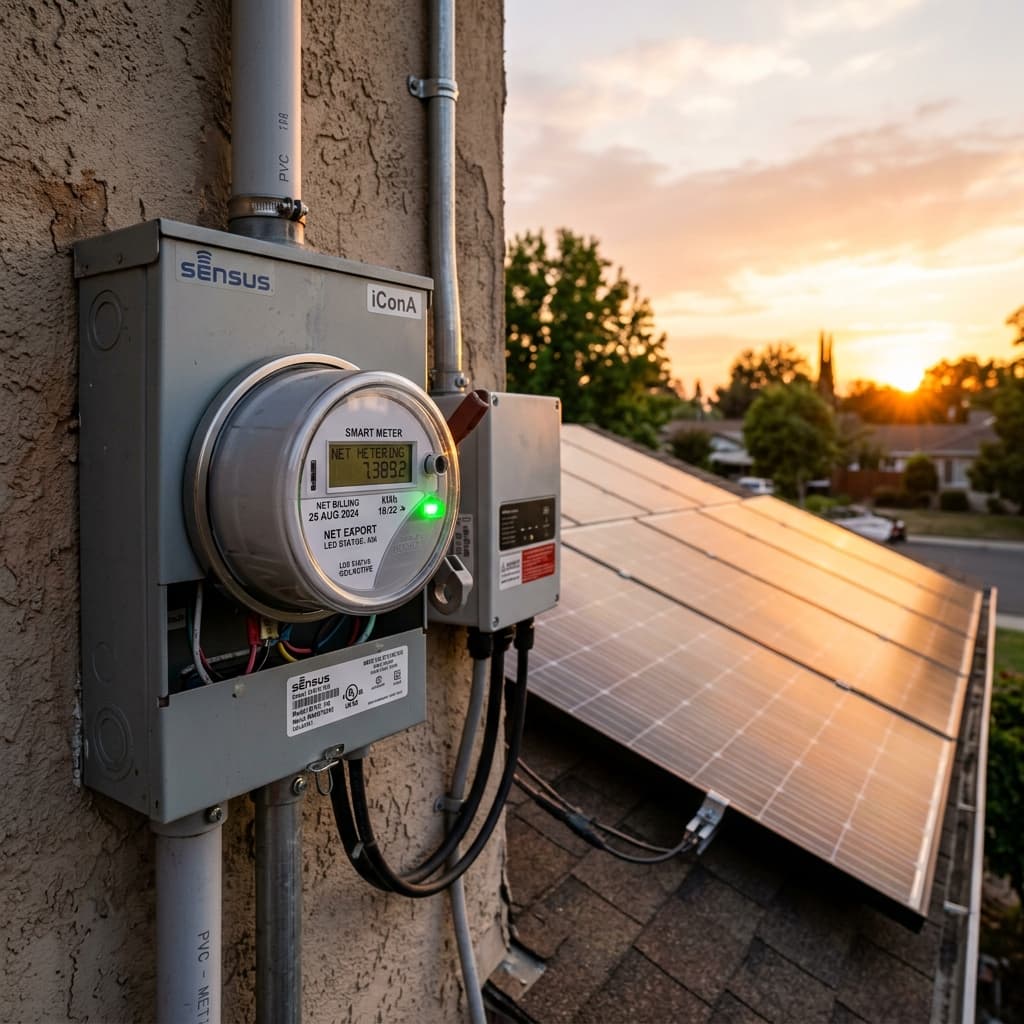
Pakistan's renewable energy sector is entering a new era as the National Electric Power Regulatory Authority (NEPRA) formally notifies its comprehensive Prosumer Regulation Overhaul. The headlining change is the sunsetting of the traditional 1:1 unit-for-unit 'net metering' scheme for new applicants, replacing it with a monetary 'net billing' structure.
Under the legacy net metering framework introduced in 2015, every kilowatt-hour (kWh) of solar electricity exported by a prosumer to the grid during daytime off-peak hours was offset 1:1 against a unit consumed from the grid during night or peak hours. This system provided exceptionally high financial returns for solar owners, effectively treating the utility grid as a zero-cost infinite battery.
Under the newly enacted net billing framework, exported solar electricity and imported grid electricity are treated as two separate financial transactions. Electricity consumed from the grid is billed at the consumer's full applicable retail tariff rate (including taxes and FPA), while electricity exported to the grid is credited at the National Average Energy Purchase Price (NEPP)—a lower wholesale generation rate determined by NEPRA.
2. Why NEPRA Enacted the Restructuring
NEPRA's decision stems from growing concerns over grid capacity charges and utility financial sustainability. Over the past four years, rapid rooftop solar adoption resulted in over 3,000 MW of distributed PV capacity connecting to the national grid.
As affluent residential clusters and large commercial factories shifted their daytime consumption off the grid, distribution companies experienced a sharp drop in daytime billing volume while remaining obligated to pay fixed capacity charges to Independent Power Producers (IPPs).
By adjusting export buyback rates to wholesale energy cost levels, NEPRA aims to balance utility fiscal health while preventing non-solar grid consumers from absorbing disproportionate tariff increases.
"Net billing is not the end of solar in Pakistan—it is the evolution. It shifts the primary value of solar from grid export arbitrage to on-site self-consumption and battery storage integration."
- Prevention of cross-subsidization between solar prosumers and non-solar grid consumers.
- Reduction of daytime utility financial losses during low-demand seasonal periods.
- Encouragement of on-site daytime solar self-consumption rather than indiscriminate grid dumping.
- Alignment of Pakistan's distributed energy policy with international market standards in Europe and California.
3. Grandfathering Protection for Existing Prosumers
A crucial element of the SRO notification is the explicit protection granted to existing net metering license holders. NEPRA confirmed that all current solar system owners who executed net-metering contracts prior to the notification date will remain 100% grandfathered under their original 1:1 unit exchange terms for the full duration of their 5-year agreement period.
This reassurance has relieved thousands of existing solar prosumers who had invested heavily in rooftop systems based on original ROI projections.
However, system expansions (adding more panels to an existing net-metered connection) performed after the cutoff date will fall under the new net billing regulations.
4. Financial Impact Analysis: Payback Dynamics & ROI
Financial modeling conducted by Soltronic Energy's market intelligence team illustrates how the transition from net metering to net billing impacts investment return metrics for residential and commercial buyers:
Under legacy net metering, a 20 kW commercial rooftop system yielding 28,000 kWh annually achieved a simple payback period of approximately 3.2 to 3.8 years.
Under net billing without battery storage, if the system exports 60% of its generation to the grid at the wholesale buyback rate, the simple payback period extends to approximately 6.2 to 7.1 years.
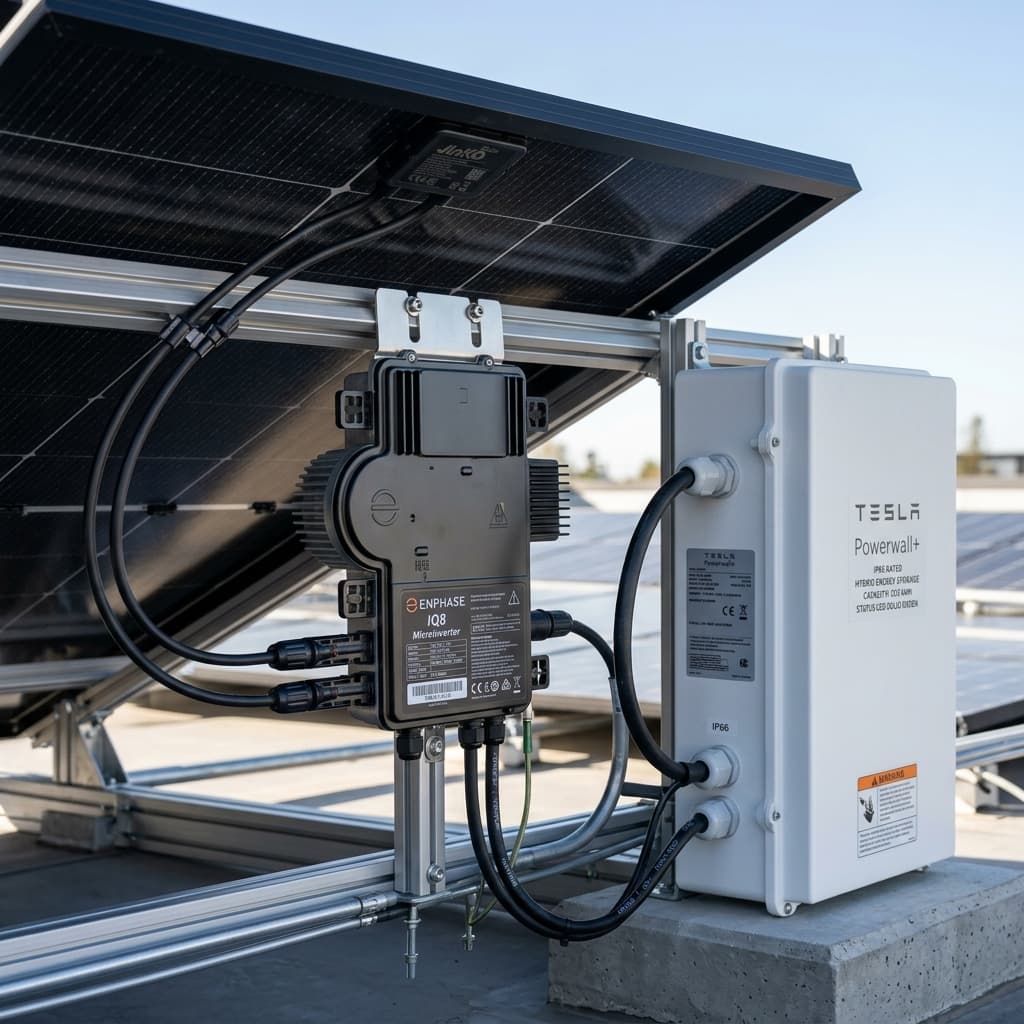
However, if the prosumer installs a smart Hybrid Storage System (BESS) to store daytime surplus power and consume it on-site during peak evening hours, the payback period drops back down to 4.1 to 4.6 years while providing 24/7 backup power security against grid outages.
5. Strategic Recommendations for New Solar Buyers
For property owners planning new solar installations, Soltronic Energy recommends three immediate strategic adjustments:
First, right-size your solar array based on daytime base-load self-consumption rather than maximum physical roof capacity. Second, opt for hybrid smart inverters capable of seamless battery integration. Third, integrate smart energy management systems (EMS) that automatically direct excess solar generation toward thermal loads (water heaters, HVAC pre-cooling) or electric vehicle chargers during peak daylight hours.