1. The Evolution of Photovoltaic Architecture in Pakistan
For over a decade, the Pakistani solar market was dominated by traditional string inverter configurations. In these legacy setups, 10 to 20 solar panels are wired in series high-voltage DC strings connected to a central wall-mounted inverter. While cost-effective, string systems suffer from a major inherent flaw: if a single panel in the string experiences partial shading, dirt buildup, or bird droppings, the power output of the entire string drops down to the level of the worst-performing module.
At the Electricity Pakistan Technology Exhibition, a major technological transformation was unveiled. Global microinverter pioneer Hoymiles announced its official Tier-1 market expansion into Pakistan in partnership with Harisun Energy.
Simultaneously, prominent hardware manufacturers including SolarMax showcased next-generation smart hybrid power storage architectures, signaling that the Pakistani market is rapidly maturing toward high-efficiency, safe, and intelligent module-level electronics.
2. Why Microinverters Are Superior for Urban Pakistani Rooftops
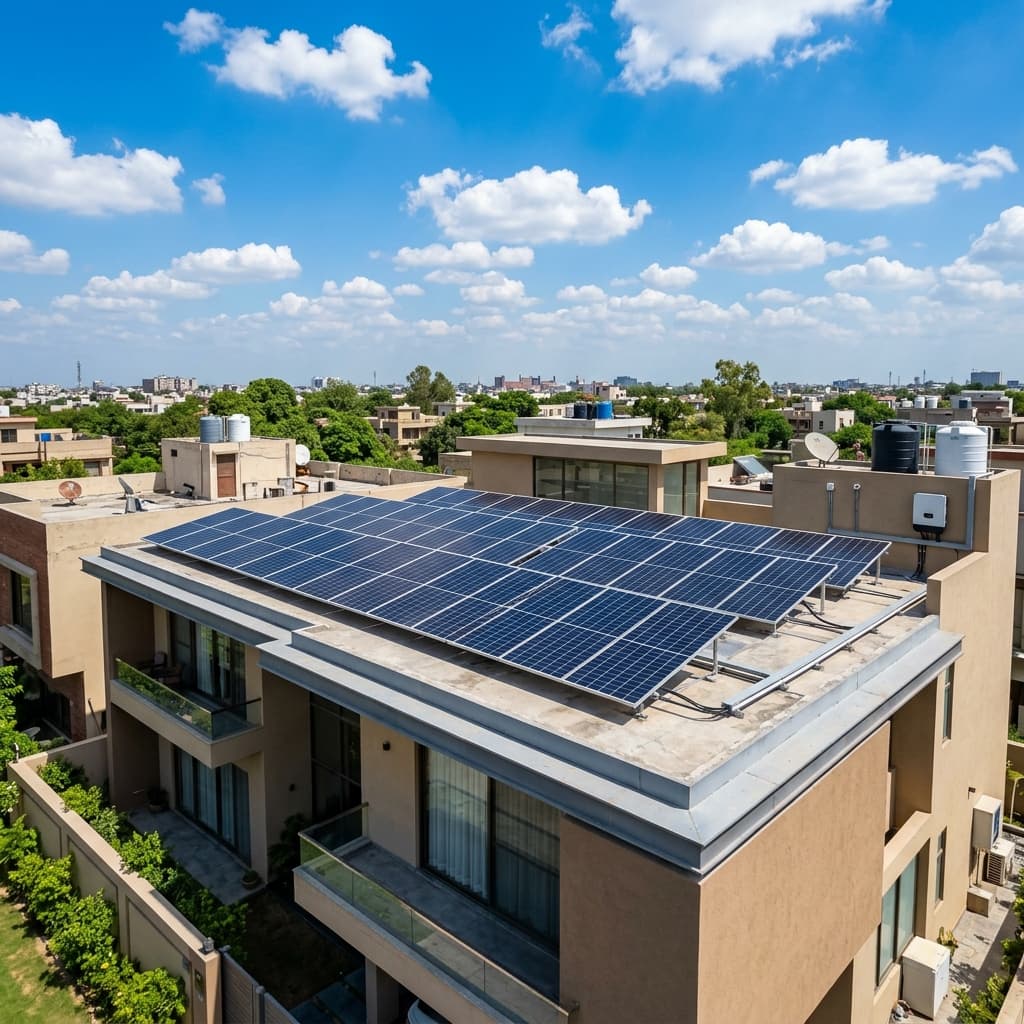
Urban rooftops in cities like Lahore, Karachi, Rawalpindi, and Multan present complex installation challenges. Overhead water tanks, stairwell towers, satellite dishes, and neighboring multi-story structures create dynamic shade patterns throughout the day.
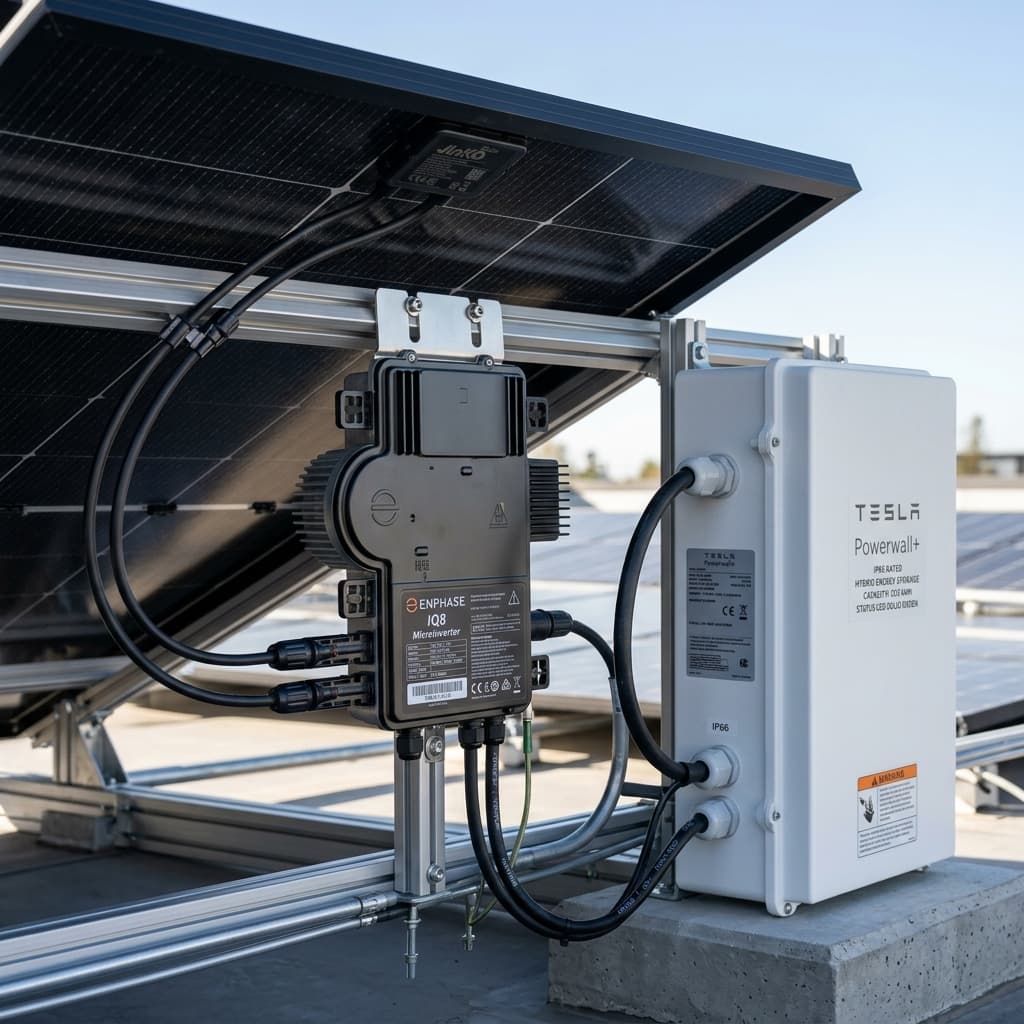
Unlike string inverters, microinverters are small, ultra-efficient power conversion devices mounted directly behind each individual solar module on the roof. Each module operates with its own independent Maximum Power Point Tracking (MPPT) channel.
If shade falls on one panel, the remaining 19 panels continue operating at 100% full capacity. Field testing conducted by Soltronic R&D indicates that microinverter configurations yield between 12% and 22% more annual energy on typical urban Pakistani residential roofs compared to high-end string inverters.
"Microinverters treat every single panel as an independent power station. In a country with high dust levels and dense urban shade, MLPE technology is the ultimate key to maximizing solar harvest."
- Independent Module MPPT: Eliminates string bottlenecking caused by dust, shade, or panel mismatch.
- Low-Voltage Rooftop Safety: Converts DC to AC right at the panel level, keeping rooftop DC voltage below 60V (compared to 600V–1000V DC in string systems).
- Granular Cloud Monitoring: Real-time smartphone monitoring of energy generation down to the specific panel.
- 25-Year Standard Manufacturer Warranty: Significantly longer operational lifespan compared to 5–10 year string inverter warranties.
3. Next-Gen Hybrid BESS: SolarMax Orion & Onyx Series
Parallel to the microinverter boom is the arrival of tropicalized Smart Battery Energy Storage Systems (BESS). Hardware developer SolarMax introduced its Orion and Onyx Ultra storage systems, engineered specifically to withstand Pakistan's demanding environmental conditions.
Featuring IP65 and IP66 heavy-duty ingress protection enclosures, these systems are built to withstand extreme summer heat (up to 55°C ambient), monsoon humidity, and heavy dust accumulation without thermal throttling.
The units incorporate ultra-safe Lithium Iron Phosphate (LiFePO4) cell chemistry rated for over 6,000 deep discharge cycles at 90% Depth of Discharge (DoD), promising a useful service lifespan exceeding 15 years.
4. Intelligent AI Load-Shedding & Grid Arbitrage
A key innovation featured in modern hybrid storage units is AI-driven load management firmware. During grid power outages or peak tariff windows, the system automatically communicates with smart circuit breakers throughout the building.
If battery storage reserves drop below user-defined safety limits (e.g., 35%), the EMS automatically sheds non-essential heavy loads—such as water pumps, swimming pool heaters, or secondary air conditioners—while maintaining uninterrupted power to lighting, refrigeration, fans, and IT equipment.
This intelligent load prioritization extends emergency backup duration by up to 300% during prolonged regional load-shedding events.
5. Soltronic Engineering Verdict & Implementation Guidance
As solar technology advances, system design must shift from 'cheapest upfront cost' to 'maximum lifetime value and safety'. Microinverters combined with LiFePO4 smart storage represent the gold standard for modern clean energy installations in Pakistan.
Soltronic Energy now offers fully integrated MLPE and Smart BESS design packages for high-end residences, commercial offices, medical clinics, and educational institutions.